Razón de Estado: ¿Respeto a la Constitución o Golpe de Estado?
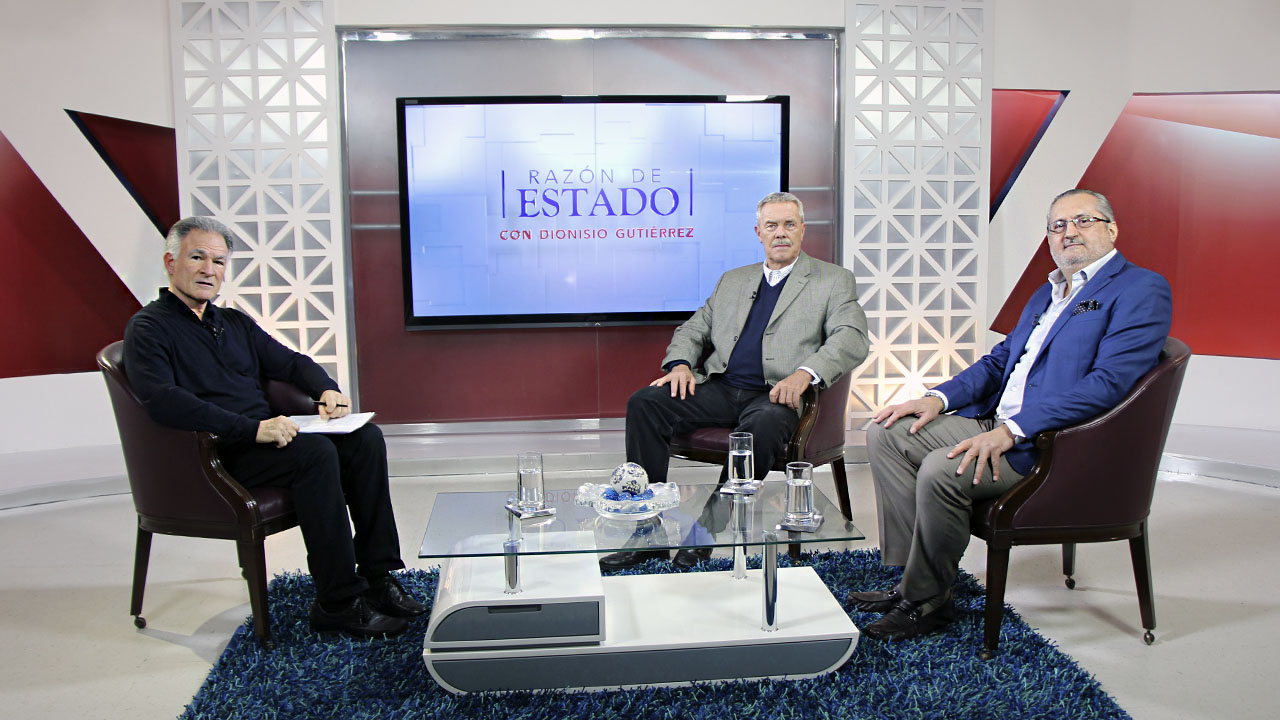
Esta semana en Razón de Estado hablamos sobre las acciones del gobierno en contra de Cicig y las amenazas a un rompimiento del orden constitucional en Guatemala.

En su editorial, Dionisio Gutiérrez indicó: “Los guatemaltecos estamos atrapados en medio de una lucha de intereses y de un conflicto ideológico lleno de excusas, señalamientos y descalificación, promovidos por las mismas instituciones de la democracia, con el aplauso, la indiferencia o la complicidad de las elites y de las organizaciones que viven del conflicto”.
Explicó que si bien en el 2015, la elección del presidente Morales no permitió que llegara al gobierno uno de los dos proyectos políticos más oscuros de nuestra historia, “Morales y su equipo, además de que saben que dejarán el poder con un saldo muy negativo; hoy, siguen la narrativa de un gobierno autoritario y con la tentación de seguir violando la constitución; para aumentar las cuentas por las que tendrán que responder el 14 a las 14 en enero de 2020”.
Exigió que “se respeten la Constitución, la división de poderes y el Estado de Derecho” y aseguró que “las resoluciones de la Corte de Constitucionalidad pueden no gustarnos, pero es el orden establecido. No respetarlas nos lleva a la jungla. Al todo se vale y todo se puede; al golpe de Estado”.
Por último recordó a los ciudadanos que “si no queremos intervención extranjera, es importante involucrarse” y exigir “las reformas políticas del Estado que gobierno, Congreso y élites nunca promovieron; y las reformas al sistema de justicia que han sido negadas”.
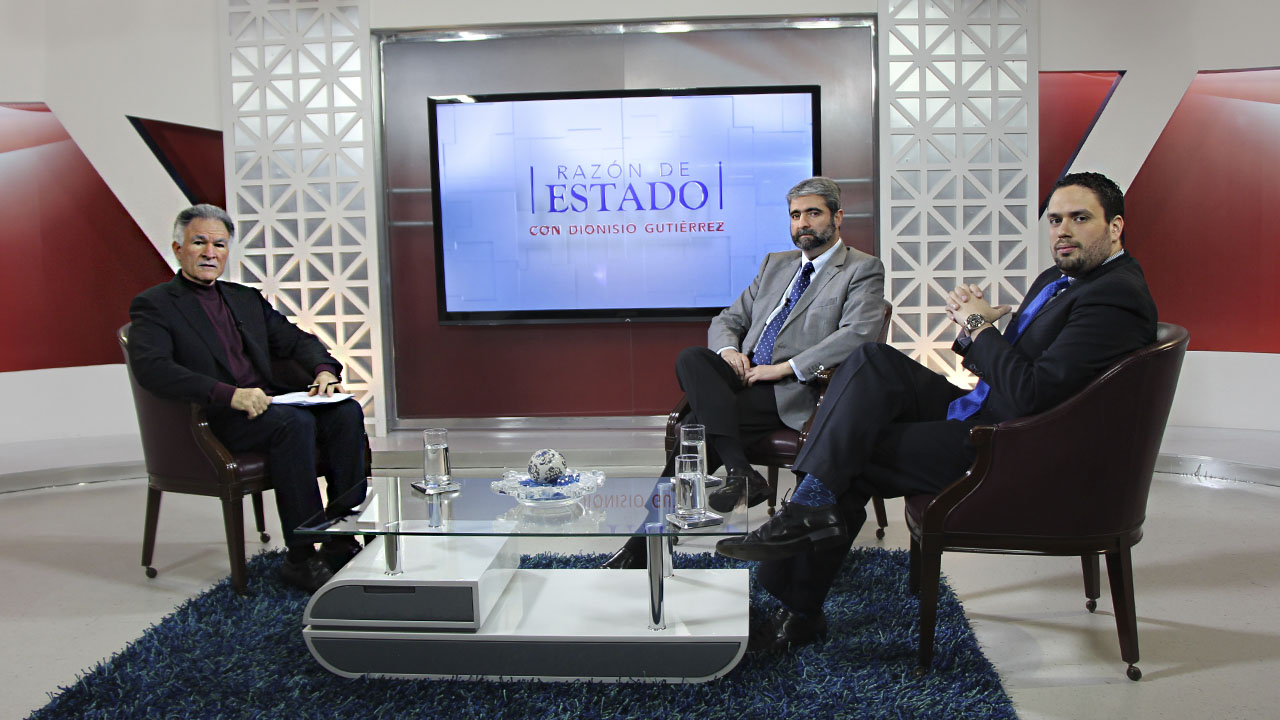
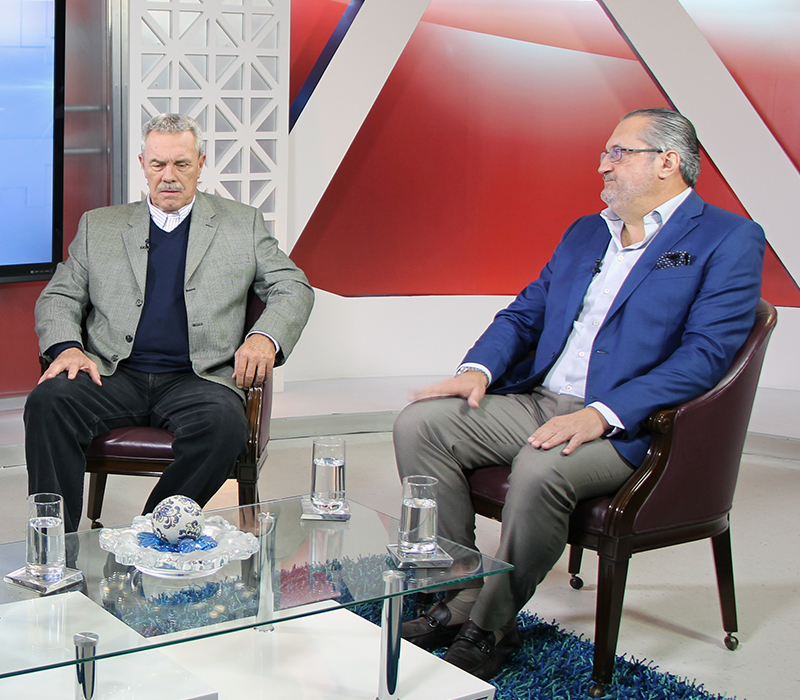 Después, Dionisio Gutiérrez entrevistó al economista Fritz Thomas y al politólogo Pedro Trujillo sobre el saldo de la labor de la Cicig hasta el momento.
Fritz Thomas explicó que la problemática con Cicig radica en el involucramiento de Iván Velásquez en la política nacional: “Se convirtió en mucho más que un asesor del MP, se convirtió en un actor político, presentando reformas a la constitución y cooptando al Tribunal Supremo Electoral. Además de cometer el error de acorralar al hijo y al hermano del presidente; no era necesario hacerlo por las faltas cometidas, se pudo manejar de otra manera”.
Para Pedro Trujillo, Cicig hizo un buen trabajo: “cometió una legalidad que fue vista como torpeza” refiréndose al juicio contral el hijo y el hermano del presidente. Aseguró que Iván Velásquez no acusó a nadie, sino que “lo acusó el Ministerio Público, así como a cualquier individuo que es acusado de otros delitos y que están en prisión. Lo que no gusta, es que es el hijo del presidente.”
Ambos coincidieron en que “hay grandes mafias incustradas en el gobierno que tienen al presidente en una dinámica delictiva”, enfocándose únicamente en el tema de Cicig y sin ningún interés en resolver los grandes males del país como la pobreza o la desnutrición.
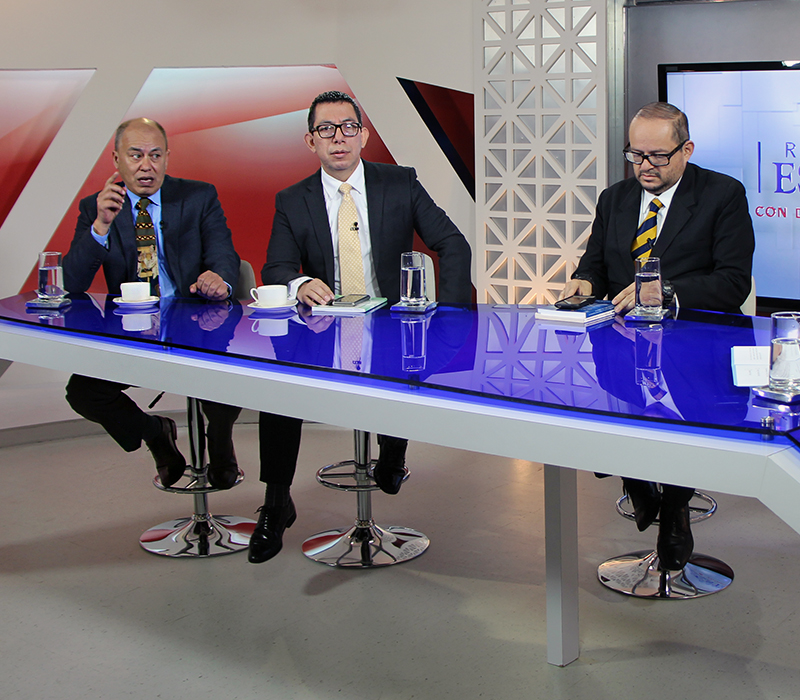
En el último segmento, Edgar Ortiz moderó un debate entre los abogados Andy Javalois, Alfredo García Siekavizza y Omar Barrios Osorio sobre el enfrentamiento entre el Ejecutivo y la Corte de Constitucionalidad.
Si bien tuvieron diferencias sobre el proceso para ponerle fin al acuerdo de Cicig, los tres abogados coincidieron en que el presidente debe cumplir la última orden de la CC, que evita que esta institución salga del país, antes de septiembre del 2019.
Vea el programa completo aquí:
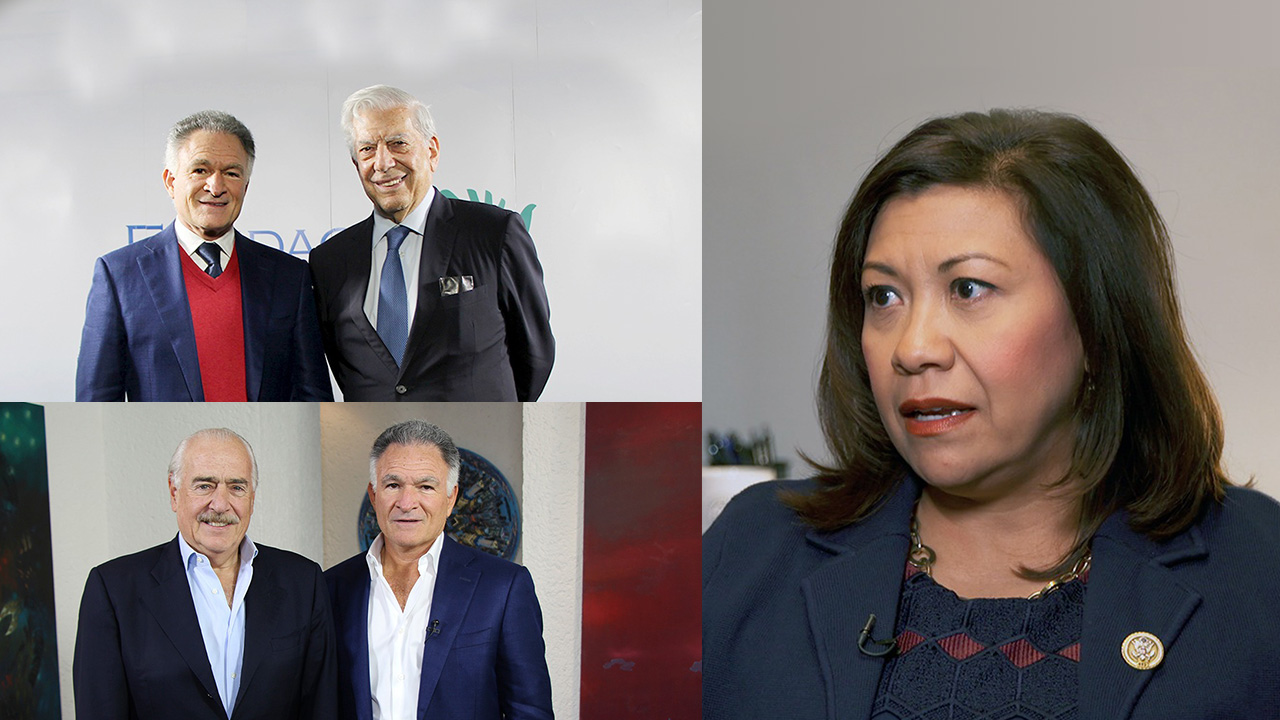
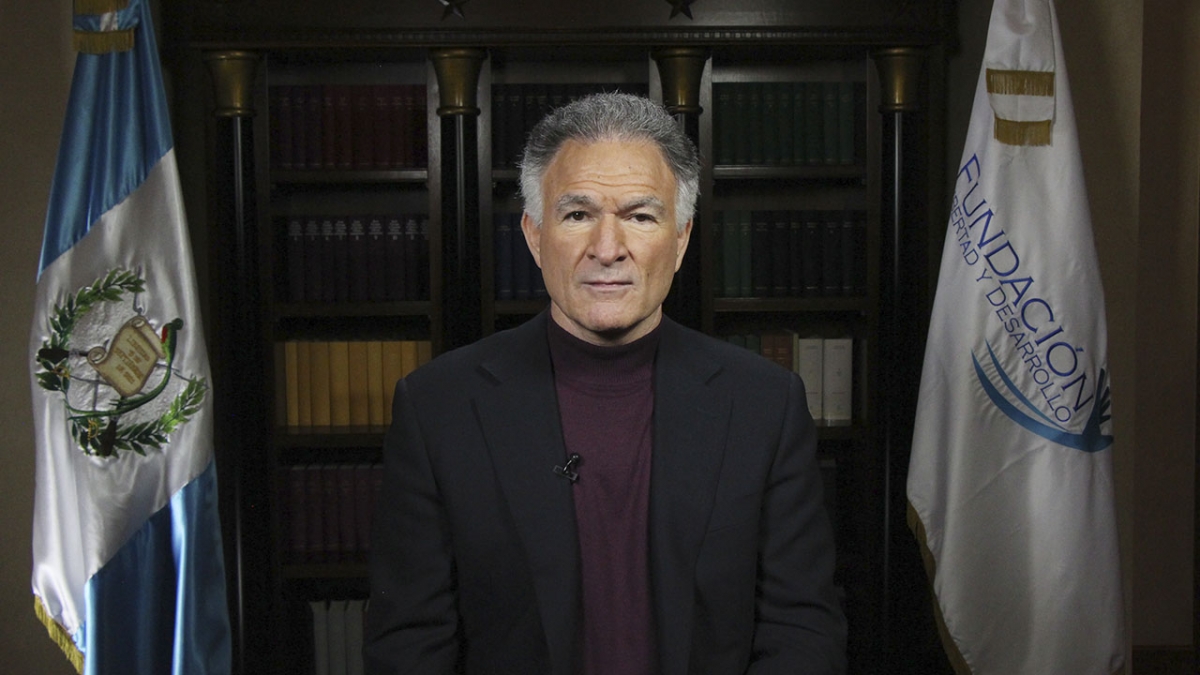 En su editorial, Dionisio Gutiérrez reflexionó sobre los retos que enfrenta el proceso electoral en Guatemala:
 Después en el segmento de debate los politólogos Marielos Chang catedrática universitaria; José Carlos Sanabria, investigador de Asies; y Mario Yon, Director de proyección de CACIF, discutieron sobre las reformas a la Ley Electoral que deberán ser implementadas en las elecciones de este año.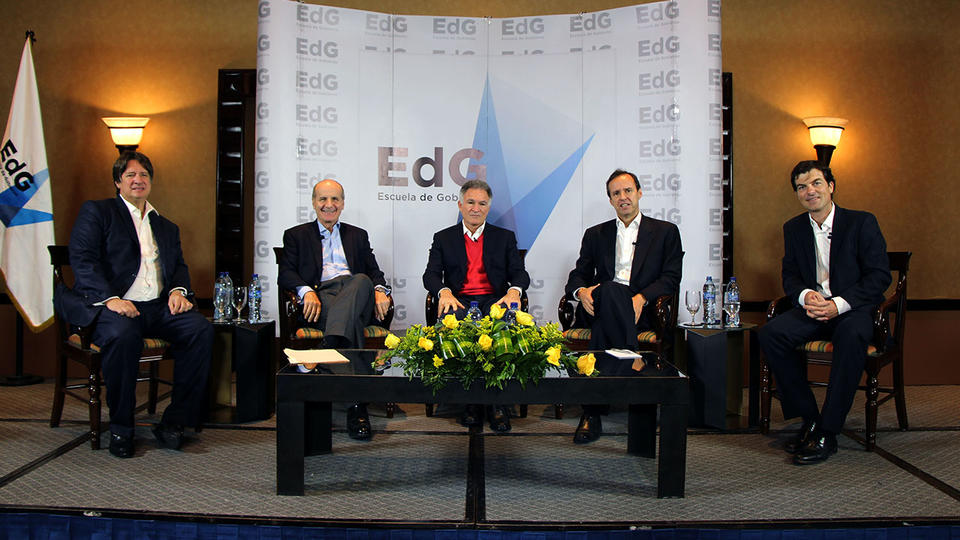
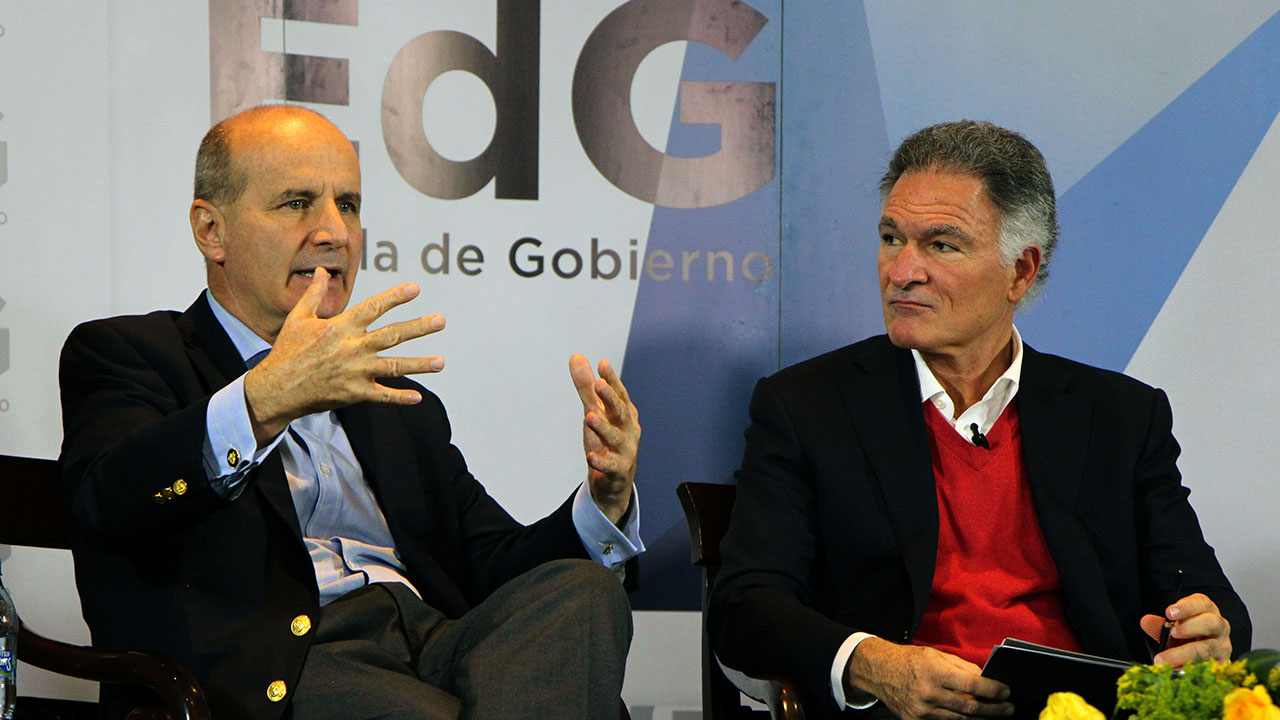 "La buena política pública no se inventa de la noche a la mañana. Se tiene que formular con una clara diferenciación entre un programa de gobierno y un programa de Estado, donde se persigan objetivos de mediano y largo plazo.”
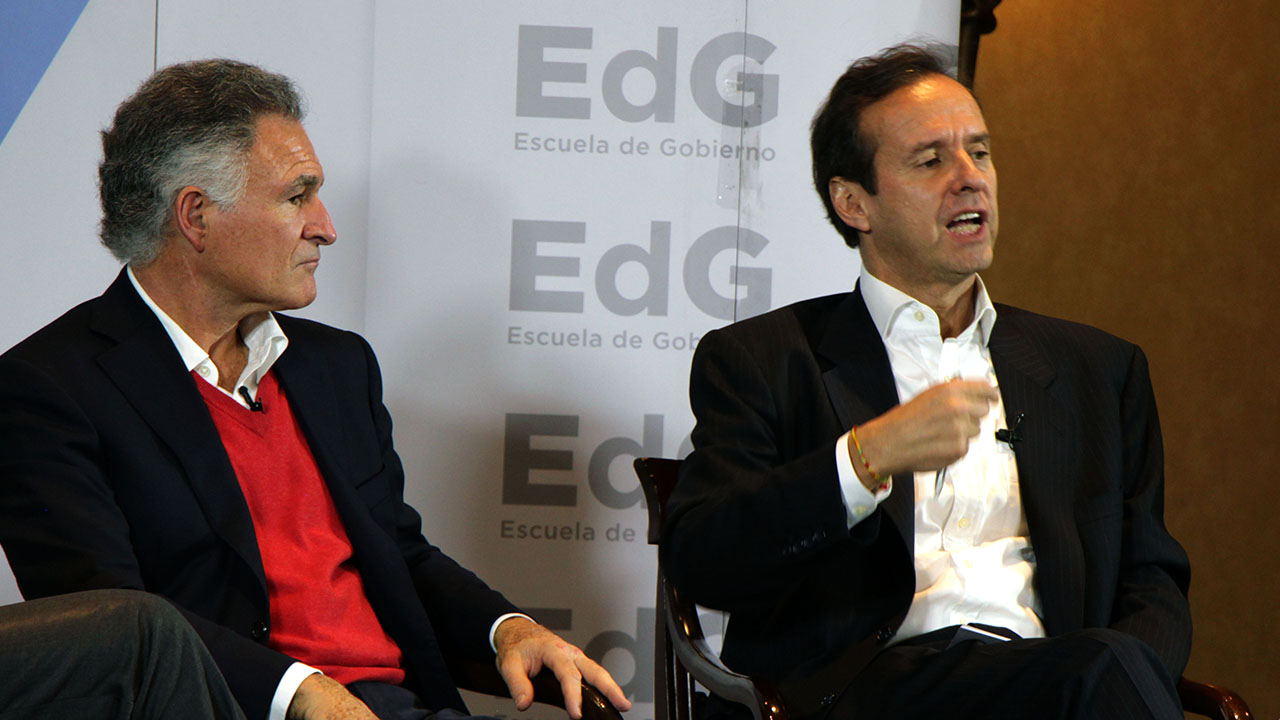 “El motor que hace que un gobierno funcione son las instituciones con cuadros técnicos, que hagan una buena gestión. La burocracia no necesariamente es algo malo; si es bien utilizada solamente es el sistema por el cual las cosas funcionan.”
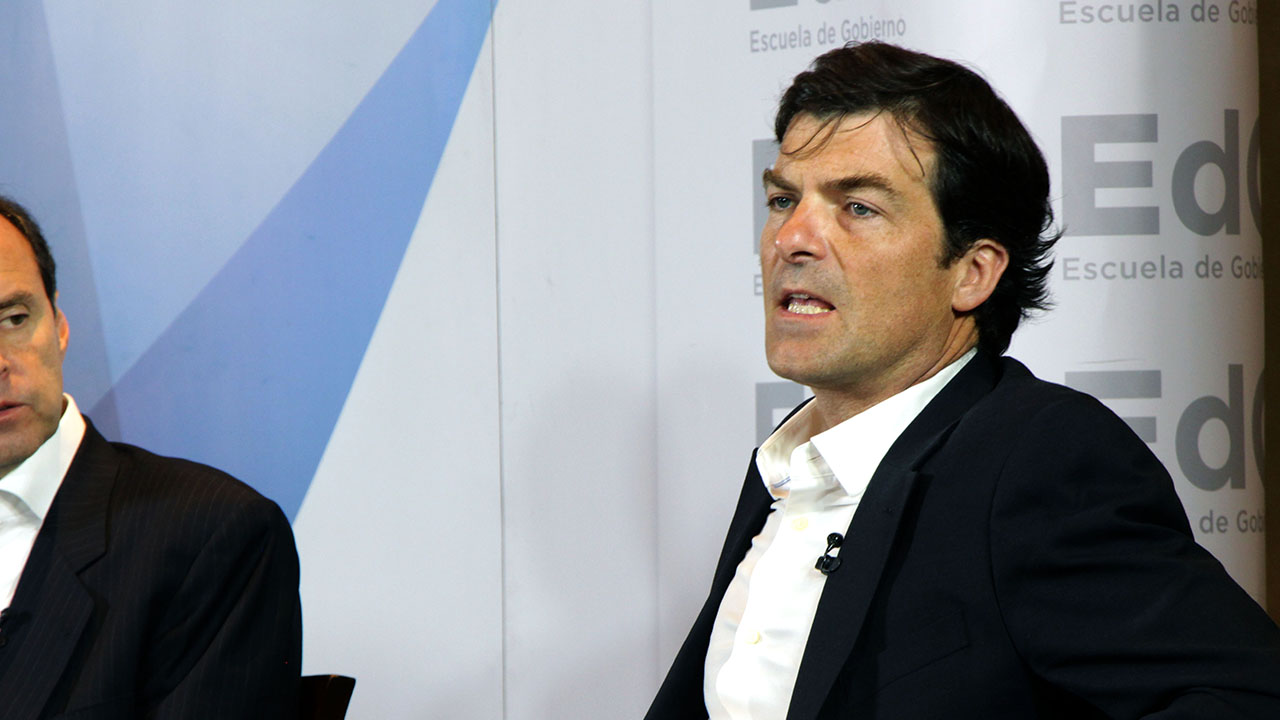 "La oxigenación que puede traer un emprendedor junto con las personas que están haciendo carrera política, puede ser muy estimulante para los gobiernos; ellos pueden brindar herramientas e ideas nuevas.”
 En la discusión se mencionóla importancia de invertir en la capacitación de las personasque trabajarán en la administración pública, pues solamente de esta manera se podrá asegurar el buen desempeño que se necesita en las diferentes instituciones de gobierno. Nelson Ortíz, director de Incus Capital, comentó sobre esto: “Las escuelas de gobierno alrededor del mundo no producen réditos inmediatos, pero no invertir en estas trae pérdidas muy grandes a las naciones.”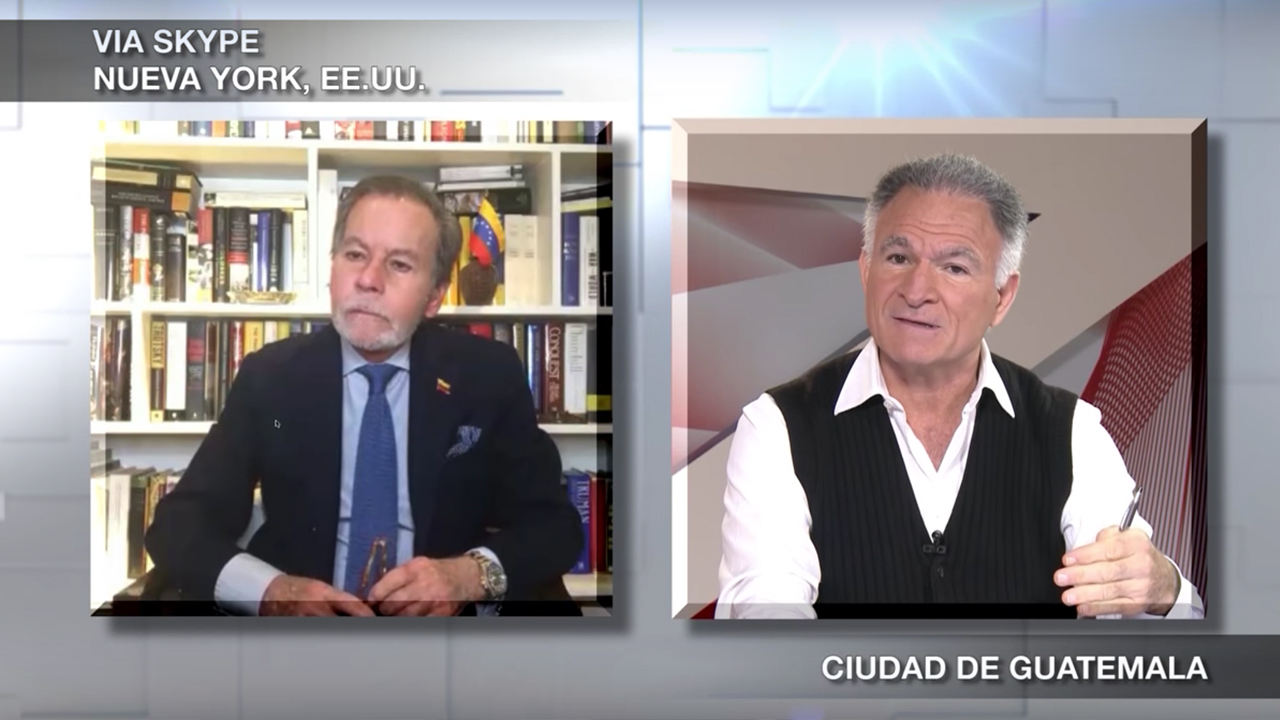
 En su editorial, Dionisio Gutiérrez habló sobre la dramática situación de Venezuela desde la incursión de Hugo Chávez en el poder: “La primera decisión de su maldita presidencia fue destruir la democracia y tomar control dictatorial del tribunal electoral y del debilitado sistema de justicia; el mismo que participó de muchas maneras en la corrupción y la incompetencia de varios gobiernos que abrieron el camino a la tiranía del Socialismo del Siglo XXI”.
 Arria explicó que “Se están dando un conjunto de circunstancias en Venezuela que harán necesaria que haya una intervención foránea en el país. No es que la quisiéramos, pero las condiciones están dadas. Especialmente por temas financieros, donde Estados Unidos ha confiscado los fondos del gobierno venezolano en ese país”.
 En el segmento de debate, moderado por Paul Boteo, los panelistas Thanali Patruyo, socióloga y catedrática universitaria y Jesús María Alvarado, director del área institucional de la Fundación Libertad y Desarrollo, abordaron desde distintos ángulos la situación política venezolana.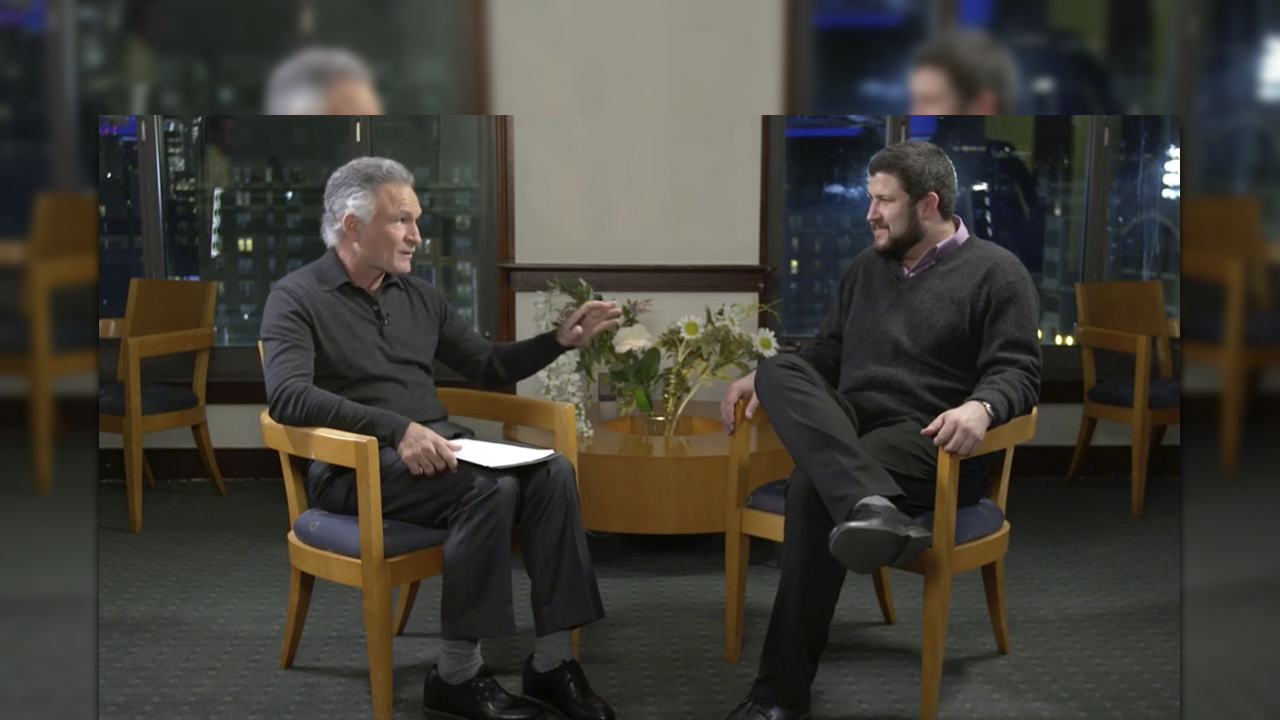
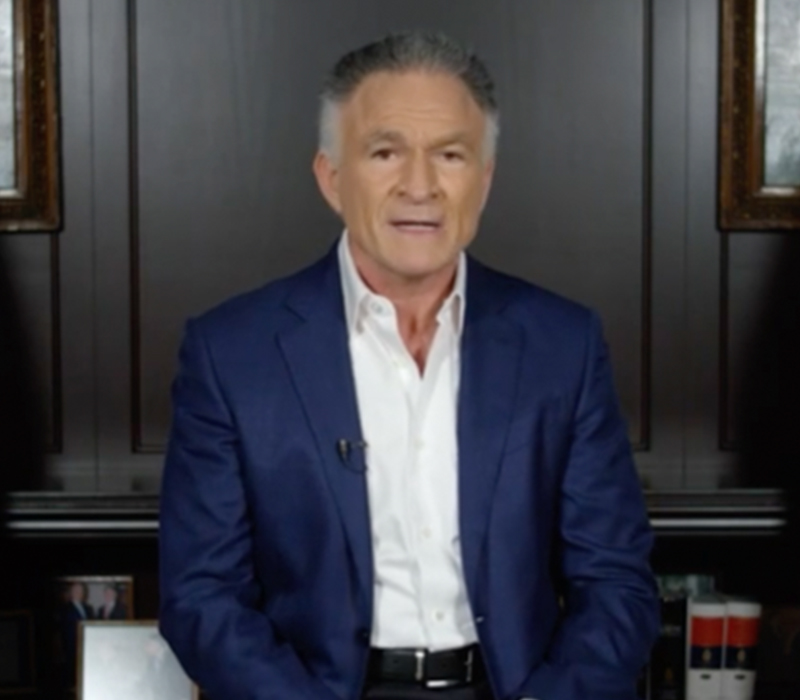 Recordando las batallas por la libertad en el siglo pasado, Dionisio Gutiérrez resaltó el papel que jugó la juventud en estas:
 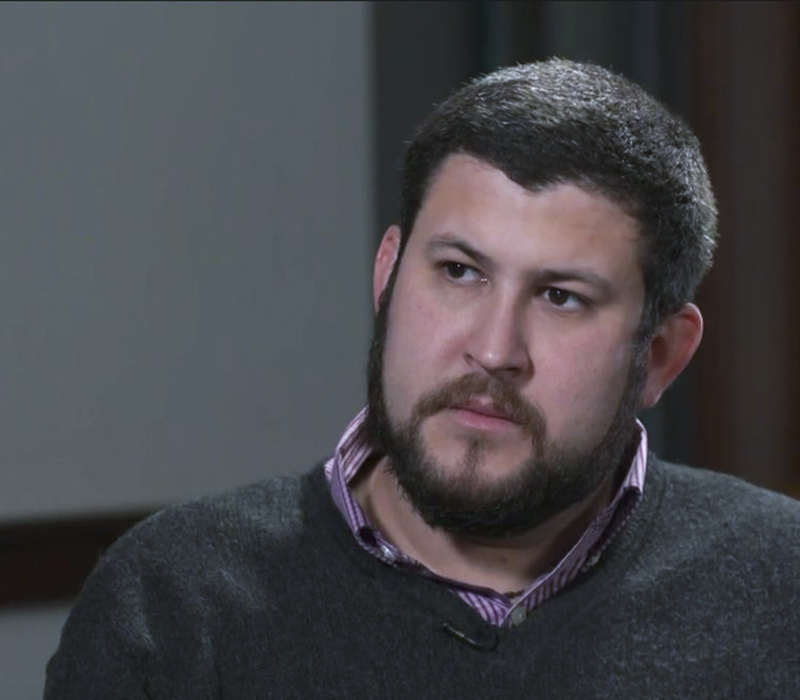 En el siguiente segmento, Dionisio Gutiérrez entrevisó a David Smolansky, político venezolano en el exilio, sobre la importancia de la partícipación de los jóvenes para que sucedan cambios sociales, políticos y económicos en América Latina.
 Después, Edgar Ortiz, moderó el debate entre Luis Miguel Reyes, Claudia Méndez y Alejandro Baldizón, sobre el financiamiento electoral ilícito y la participación de redes criminales en la política guatemalteca.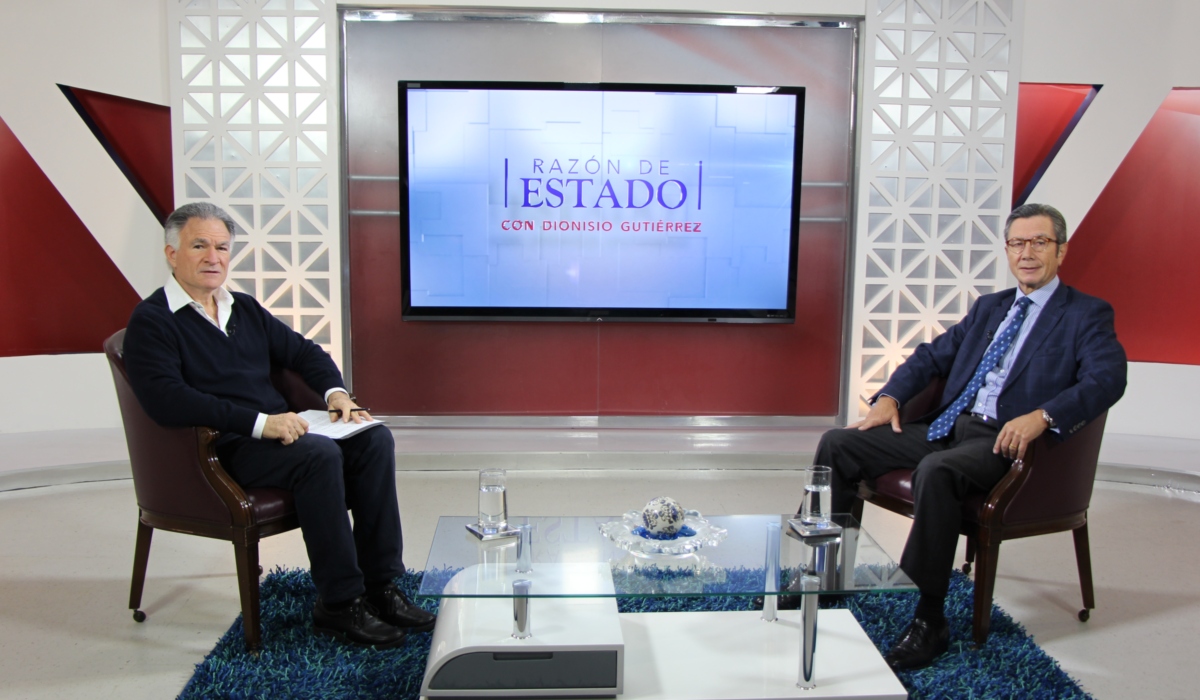
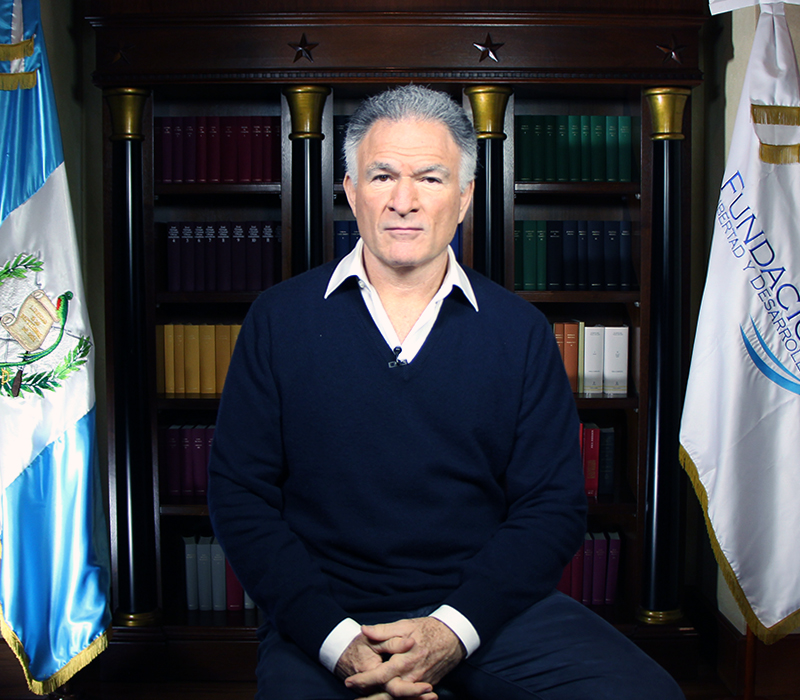
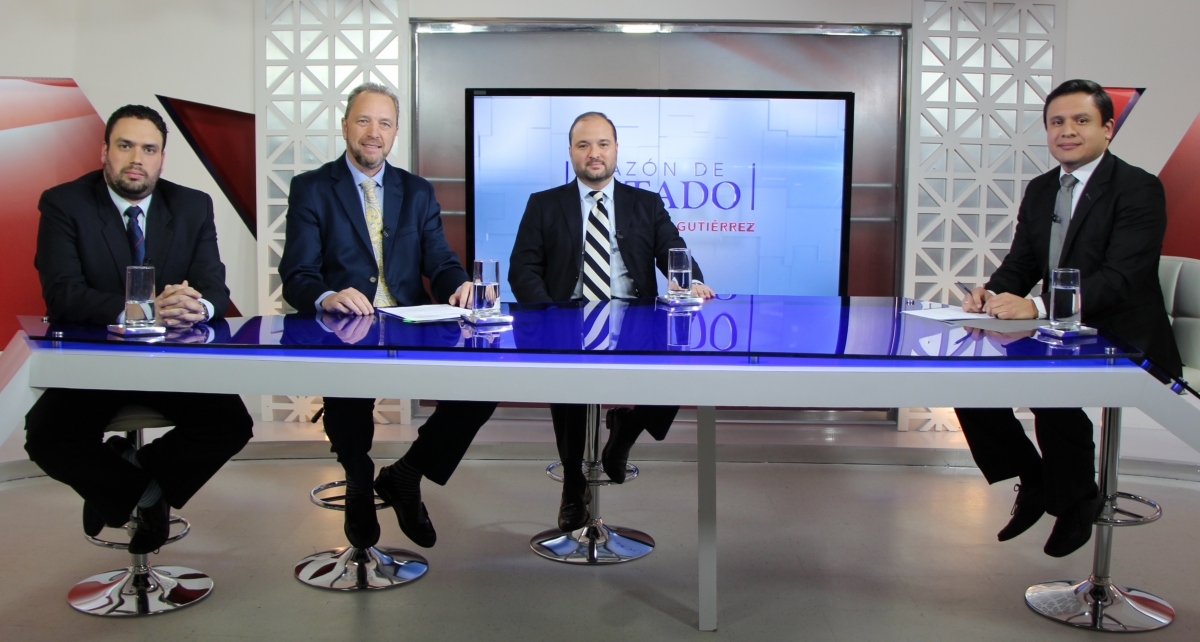

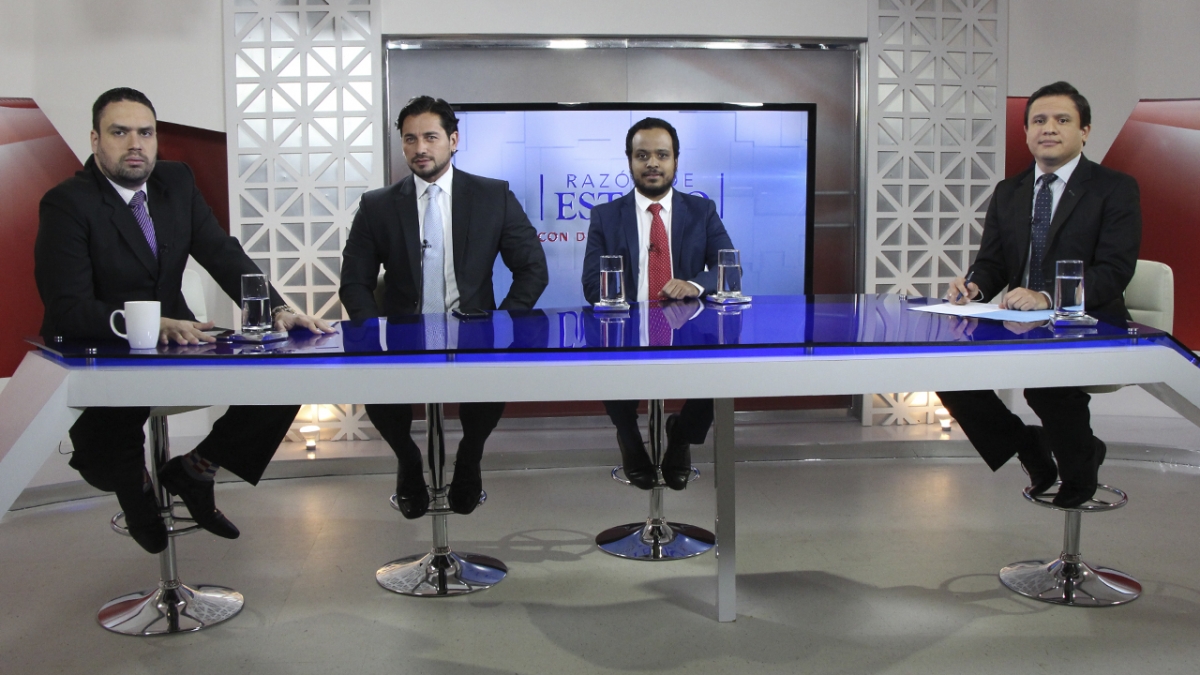 Después, Paul Boteo moderó el debate entre Adrian Zapata, Phillip Chicola y Jesús María Alvarado sobre los partidos políticos en Guatemala y su relación con el crimen organizado.
 Dionisio Gutiérrez inició su editorial explicando que
 En el siguiente segmento Edgar Ortiz moderó un debate entre María Fernanda Galán, Francisco Gallardo y Javier Monterroso sobre las amenazas a jueces en Guatemala.
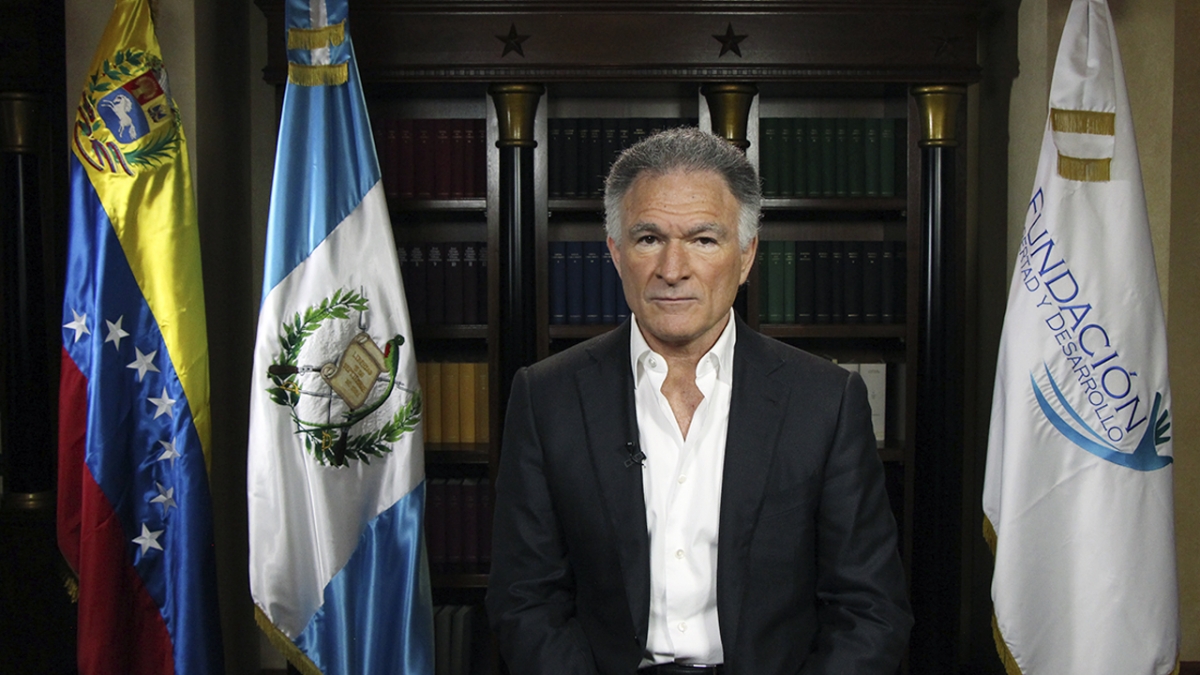 En su editorial, Dionisio Gutiérrez habló sobre la situación política en Venezuela: “Lo que ha vivido Venezuela en los últimos 20 años, a manos de una banda despiadada de tiranos, es el suicidio de una nación, que hoy regresa a la vida. Venezuela, el país más rico de América Latina, fue arrastrado a los escombros (...) la Asamblea legítima y el presidente Juan Guadó, al lado del valiente pueblo venezolano, libran lo que podría ser la batalla final, por su democracia, por su libertad”.
 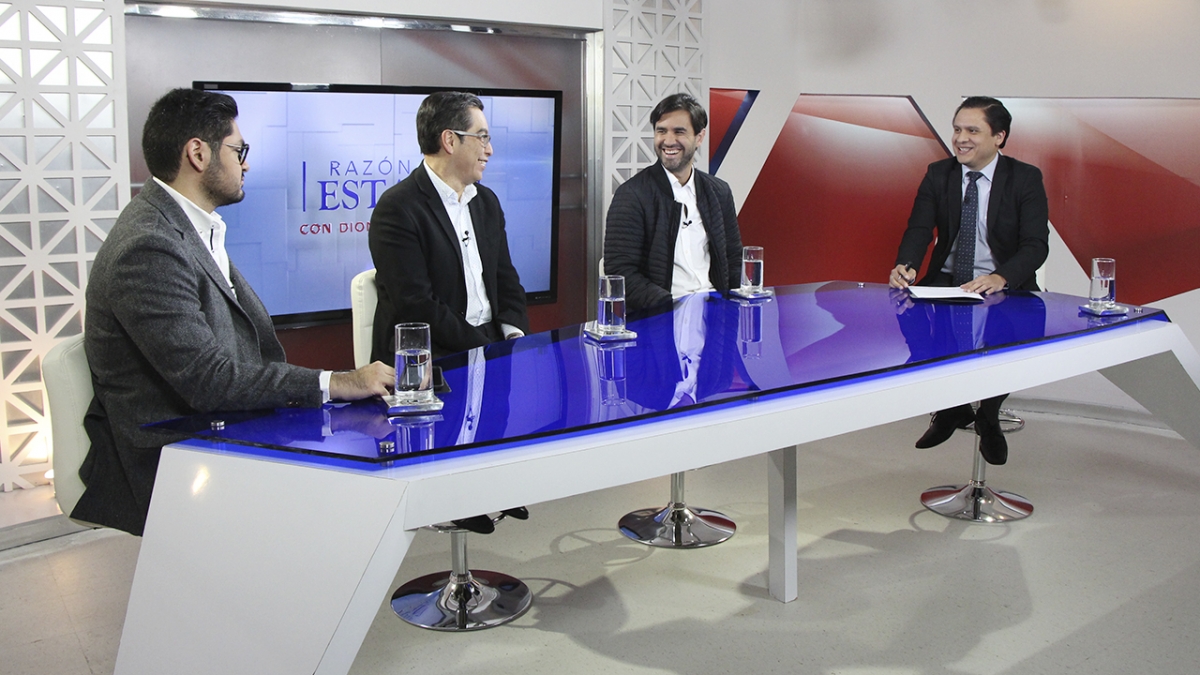 mediante la ficción. Hay párrafos completos que parecen ser inventados por mí, pero existen; en un libro de ficción tengo la libertad de decir lo que pienso”.